

Oily skin does not need to be scrubbed, stripped or buried under a ten-step routine. A useful Korean skincare routine for oily skin should remove the day gently, keep water in the skin, target congestion without over-exfoliating, and finish with daily sun protection.
This five-step guide is built for oily or combination skin that also deals with visible pores, blackheads or occasional breakouts. It explains what each step does, when it is optional, and which products currently available at Jamila can fill that role.
The quick answer
Start with a gentle cleanser, a lightweight hydrating layer, moisturizer and broad-spectrum sunscreen. Add only one pore-focused product at first. If you wear makeup or water-resistant sunscreen, use an oil cleanser as an evening first cleanse.
- Morning: gentle cleanse, light hydration, moisturizer if needed, then sunscreen.
- Evening: remove makeup or sunscreen, cleanse, use one treatment on selected nights, then moisturize.
- For blackheads: choose a salicylic-acid cleanser or an occasional pore mask; do not begin both on the same day.
First, confirm that your skin is oily
Oily skin usually develops visible shine across much of the face and may be more prone to clogged pores. Combination skin is typically oilier through the forehead, nose and chin while the cheeks feel normal or dry. Dehydrated skin is different: it lacks water, so it can feel tight or uncomfortable while still producing oil.
If your face feels tight immediately after cleansing, flakes around the nose, or stings when ordinary products are applied, adding stronger oil-control products may make the routine less comfortable. Reduce the number of actives and focus on gentle cleansing and moisturizer before reassessing.
Large-looking pores are also normal skin structures. They cannot be erased, but congestion, excess surface oil and loss of firmness can make them look more noticeable. The American Academy of Dermatology recommends gentle cleansing, non-comedogenic products, sun protection and careful use of pore-focused ingredients to make their appearance less obvious.
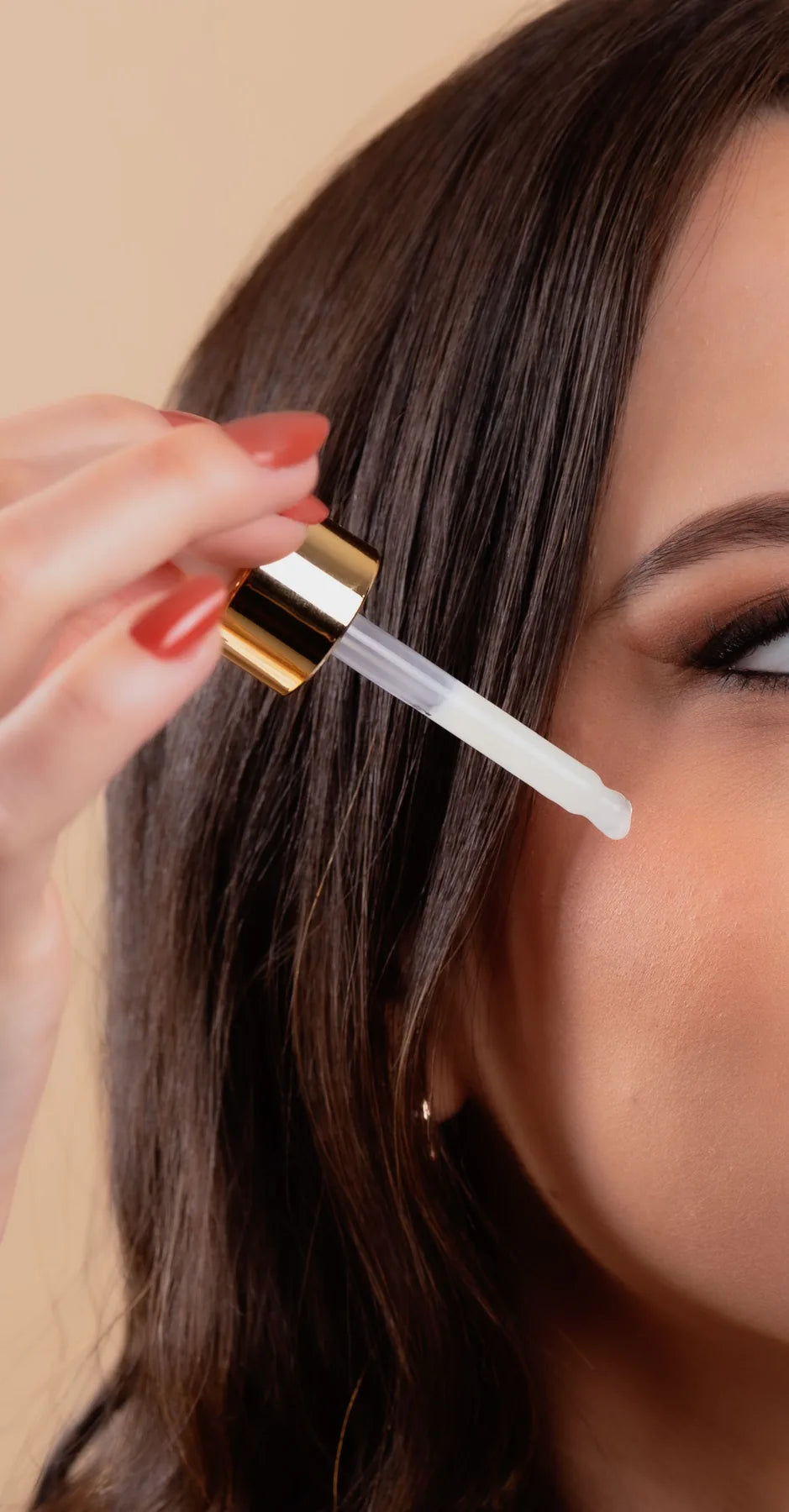
The five-step Korean skincare routine for oily skin
Step 1: Remove makeup and sunscreen when needed
A first cleanse has one job: dissolve makeup, sunscreen and oily residue so they can be rinsed away without aggressive rubbing. It is most useful in the evening when you wear long-lasting makeup or water-resistant sunscreen. It is not a required morning step, and you may not need it every night if a single gentle cleanser removes everything comfortably.
Anua Heartleaf Pore Cleansing Oil Mild
Best fit: an evening first cleanse for customers who want a lightweight oil format. Anua directs users to apply it with dry hands, massage over a dry face, add water to emulsify, rinse thoroughly, and follow with a water-based cleanser.
Do not extend the massage for several minutes in an attempt to pull every blackhead out. More friction does not make cleansing more effective and can leave the skin irritated.
Step 2: Cleanse gently
Use lukewarm water and your fingertips. The American Academy of Dermatology recommends washing oily skin up to twice daily and after sweating while avoiding scrubbing. A strong, drying wash can make the skin uncomfortable; the target is clean skin that does not feel squeaky or tight.
COSRX Low pH Good Morning Gel Cleanser
Best fit: a straightforward daily water-based cleanser. COSRX positions it as a mildly acidic gel cleanser for morning and evening use after makeup removal. Foam a small amount on wet hands, massage gently and rinse.
Step 3: Add one lightweight hydrating layer
Oily skin still needs water. A light serum or ampoule can help the routine feel comfortable without adding a heavy finish. This step is optional when your moisturizer already provides enough hydration, but it can be useful when air conditioning, cleansing or treatment products leave the skin feeling tight.
SKIN1004 Madagascar Centella Asiatica 100 Ampoule
Best fit: a minimal, lightweight layer before moisturizer. Apply a small amount after cleansing and allow it to absorb. Introduce it on its own so you can judge comfort instead of starting several new products together.
Step 4: Choose one pore-focused option
Blackheads form when oil and dead skin cells collect inside an open pore and the material darkens after exposure to air. They are not dirt, so squeezing and harsh scrubbing can worsen irritation. Salicylic acid can help unclog pores, but using more exfoliating products at once does not guarantee faster results.
COSRX Salicylic Acid Daily Gentle Cleanser
Best fit: someone who prefers a rinse-off salicylic-acid step. Use it as the cleanser in Step 2 rather than adding it after another face wash. Start less often than your gentle cleanser, follow the product label, and reduce use if dryness or stinging appears.
medicube Zero Pore Blackhead Mud Mask
Best fit: occasional, rinse-off pore care rather than a daily step. The official medicube directions position it as a short-contact clay mask containing exfoliating acids. Follow the timing on the label and skip other exfoliating products that day.
Choose the salicylic cleanser or the pore mask when you begin. Do not introduce both during the same week if you do not already know how your skin responds.
Step 5: Moisturize, then protect in the morning
Moisturizer is useful even when the skin looks shiny. It helps reduce the dryness and irritation that can come with acne-focused products. Choose a light texture, apply only the amount you need, and look for terms such as oil-free, non-comedogenic or “won't clog pores” when possible.
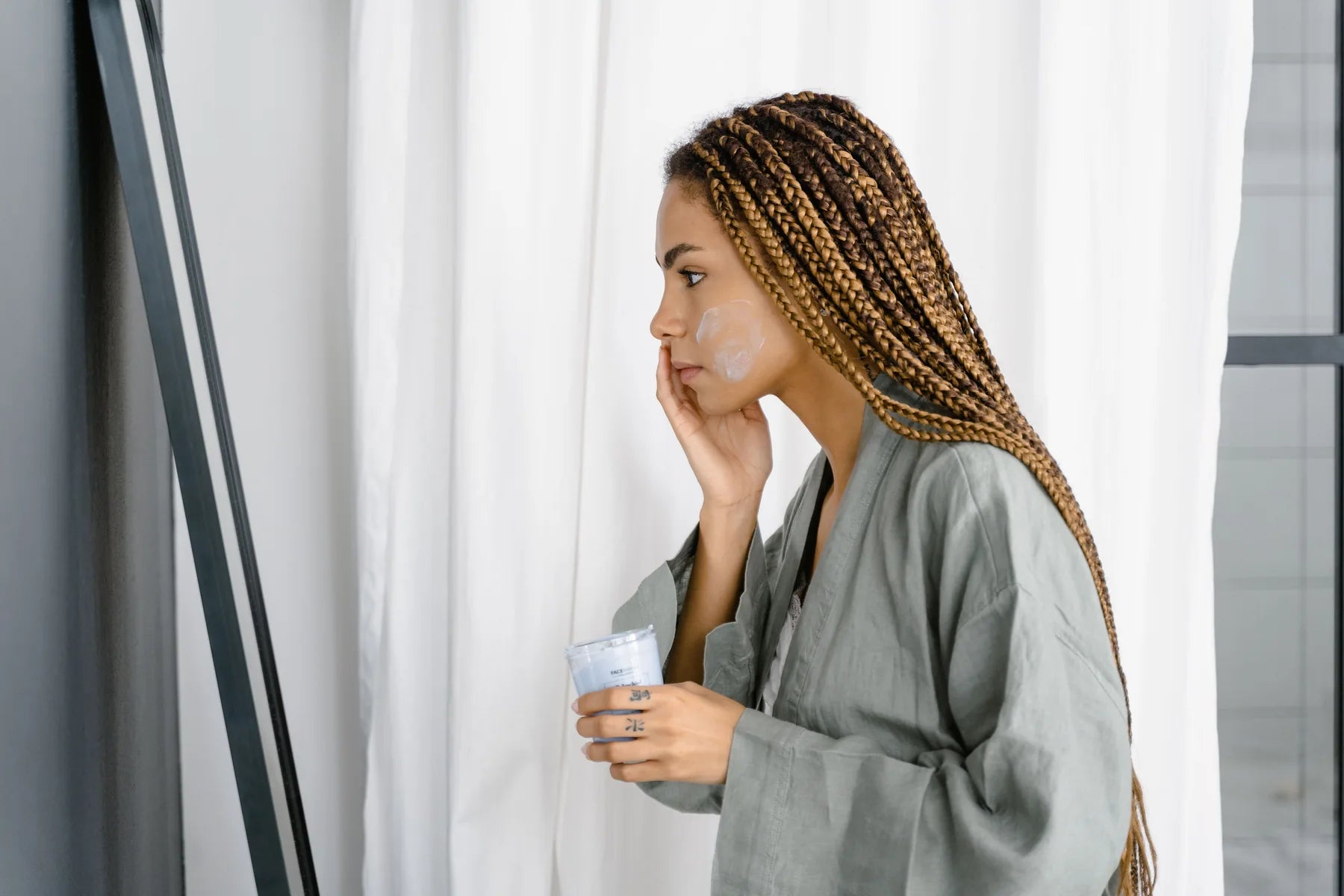
Dr. Althea 345 Relief Cream
Best fit: a lightweight final moisturizing step for combination, sensitive-looking or post-breakout skin. Dr. Althea describes the current formula as non-comedogenic tested and recommends applying it evenly as the final step.
Every morning, finish with broad-spectrum sunscreen. The FDA and American Academy of Dermatology advise following the product label, applying generously and reapplying as directed, especially after sweating, swimming or towel drying. Sunscreen is also part of managing the appearance of pores because accumulated sun damage can reduce skin firmness.
Anua Heartleaf Silky Moisture Mild Sunscreen
Best fit: the final morning step for someone who prefers a moisturizing sunscreen texture. Apply it after serum and moisturizer, then let it settle before makeup.
Your morning and evening routine at a glance
| Order | Morning | Evening |
|---|---|---|
| 1 | Gentle cleanse or water rinse | Oil cleanse if makeup or sunscreen needs removal |
| 2 | Light hydrating serum or ampoule | Gentle water-based cleanse |
| 3 | Light moisturizer if needed | One pore-focused option on selected nights |
| 4 | Broad-spectrum sunscreen | Light hydrating serum or ampoule |
| 5 | Makeup, if desired | Moisturizer |
A safe way to start the routine
Begin with the gentle cleanser, moisturizer and sunscreen. Use that base routine until it feels predictable. Add the hydrating ampoule next, then introduce one pore product on a separate day. Patch testing cannot predict every reaction, but it can reveal an obvious problem before you apply a product widely.
- Introduce one new product at a time.
- Follow each product's directions instead of copying a social-media schedule.
- Stop or reduce a product if you develop persistent burning, swelling, a rash or worsening irritation.
- Give acne care time; changing the routine every few days makes it harder to know what helps.
Common mistakes that make oily skin less comfortable
- Washing too often: cleanse up to twice daily and after sweating rather than every time shine appears.
- Skipping moisturizer: oiliness and dehydration can exist together.
- Stacking acids: a salicylic cleanser, exfoliating mask and another acid treatment on the same day may be too much.
- Scrubbing blackheads: friction cannot clean a pore from the outside and may increase visible irritation.
- Squeezing pores: picking can increase the risk of marks and scars.
- Expecting permanent pore shrinkage: skincare can help pores look less noticeable, but it does not delete normal skin structures.
- Ignoring sunscreen: sun protection belongs in an acne- and pore-conscious morning routine.
When this routine is not enough
Skincare can support mild oiliness and congestion, but deep or painful breakouts, acne that leaves scars, widespread inflammation or a persistent rash needs a dermatologist. Seek professional advice as well if you are unsure whether the bumps are acne, irritation, eczema, rosacea or another condition.
Prescription acne treatment can also change which cleansers and exfoliants are suitable. If you use a prescribed topical or oral medicine, build the rest of the routine around your clinician's instructions.
Build your oily-skin routine with Jamila
Choose the fewest products that give every step a clear purpose. Browse the Acne collection, compare products for Large Pores, or see our complete guide to the best Korean skincare products in Egypt by skin type.
You can also explore all cleansers, sunscreens and Korean skincare currently available at Jamila.
Sources and image credits
- American Academy of Dermatology: How to control oily skin
- American Academy of Dermatology: What can treat large facial pores?
- American Academy of Dermatology: Adult acne treatment
- U.S. Food and Drug Administration: Sunscreen use
- Anua: Heartleaf Pore Cleansing Oil Mild directions
- COSRX: Low pH Good Morning Gel Cleanser directions
- Dr. Althea: 345 Relief Cream directions
- medicube: Zero Pore Blackhead Mud Mask information
- Pexels License; photographs by Miriam Alonso, Laura Beauty Designer | Brasil and Tima Miroshnichenko.
Last reviewed: September 2026. This article is educational and does not replace medical advice.


