

If your usual products suddenly sting, your face feels tight after washing, or dry patches appear despite using several serums, your skin barrier may be stressed. The most useful response is usually a quieter routine, not a stronger treatment.
This guide explains what the skin barrier does, how temporary irritation differs from dry or dehydrated skin, what to pause, and how to build a simple cleanser-moisturizer-sunscreen routine using products currently available at Jamila.
The quick answer
For a stressed skin barrier, pause newly introduced exfoliants, retinoids, scrubs, spicule products, and fragranced experiments. Cleanse only as much as needed with lukewarm water, apply a comfortable moisturizer to slightly damp skin, and use broad-spectrum sunscreen every morning. Reintroduce treatment products one at a time only after plain moisturizer no longer stings and the skin feels consistently comfortable.
- Tight and flaky: reduce cleansing and choose a cream with humectants plus barrier-supporting lipids.
- Oily but stinging: oiliness does not rule out dehydration or irritation; avoid stripping the skin further.
- Burning, swollen, crusting, or oozing: stop cosmetic experiments and seek medical assessment.
What is the skin barrier?
The outermost part of the epidermis is called the stratum corneum. It is often compared to bricks and mortar: flattened skin cells form the bricks, while a mixture of lipids including ceramides, cholesterol, and fatty acids helps fill the spaces around them. Together they limit water loss and reduce the entry of irritants and microbes.
Transepidermal water loss, often shortened to TEWL, describes water that passes through the skin and evaporates. Researchers use TEWL alongside hydration measurements to study barrier function. A moisturizer can improve hydration without every formula producing the same change in TEWL, which is why the finished formulation matters more than a single fashionable ingredient.
Signs your barrier may be stressed
- Tightness after cleansing or throughout the day.
- New stinging when applying products that were previously comfortable.
- Rough, flaky, or unusually dull-looking patches.
- Redness or sensitivity that followed over-exfoliation, a new active, sun exposure, or harsh cleansing.
- Makeup catching on dry texture or separating over irritated areas.
These signs are not a diagnosis. Eczema, rosacea, allergic contact dermatitis, infection, acne treatments, and other conditions can create similar symptoms. If the problem is severe, widespread, painful, recurrent, or does not improve after simplifying the routine, see a dermatologist.
Dry, dehydrated, irritated, or damaged?
| Description | What it means | Useful first response |
|---|---|---|
| Dry skin | A skin type or condition with insufficient surface lipids; it may feel rough or flaky | Regular moisturizer with humectant, emollient, and occlusive support |
| Dehydrated skin | A temporary lack of water that can affect oily or dry skin | Gentler cleansing and a moisturizer that attracts and retains water |
| Irritated skin | A reaction to friction, overuse, a product, weather, or another trigger | Remove the suspected trigger and simplify the routine |
| Skin disease | A condition such as eczema, dermatitis, rosacea, or infection | Qualified diagnosis and an appropriate treatment plan |
You can have more than one at the same time. Oily skin can be dehydrated. Dry skin can become irritated. A product described as “barrier repair” can still contain something an individual cannot tolerate.
Common reasons the barrier becomes stressed
- Starting retinol, retinal, exfoliating acids, or benzoyl peroxide too often.
- Combining several treatment products in one routine.
- Scrubbing, cleansing repeatedly, or using very hot water.
- Introducing a spicule product or beauty device without recovery days.
- Dry air, strong wind, sunburn, or long exposure to air conditioning.
- An individual reaction to fragrance, essential oils, preservatives, or another ingredient.
“Purging” should not be used to dismiss persistent burning, swelling, hives, or a spreading rash. Those are reasons to stop the suspected product and seek appropriate advice.
A simple barrier recovery routine
| Order | Morning | Evening |
|---|---|---|
| 1 | Water rinse or gentle cleanse only if needed | Gentle cleanse to remove sunscreen and makeup |
| 2 | Comfortable moisturizer | Comfortable moisturizer on slightly damp skin |
| 3 | Broad-spectrum sunscreen | Optional extra moisturizer on the driest areas |
That is enough. Toner, essence, multiple serums, eye cream, facial oil, masks, and exfoliation are optional steps, not requirements for recovery. The fewer variables you use, the easier it is to identify what helps or hurts.
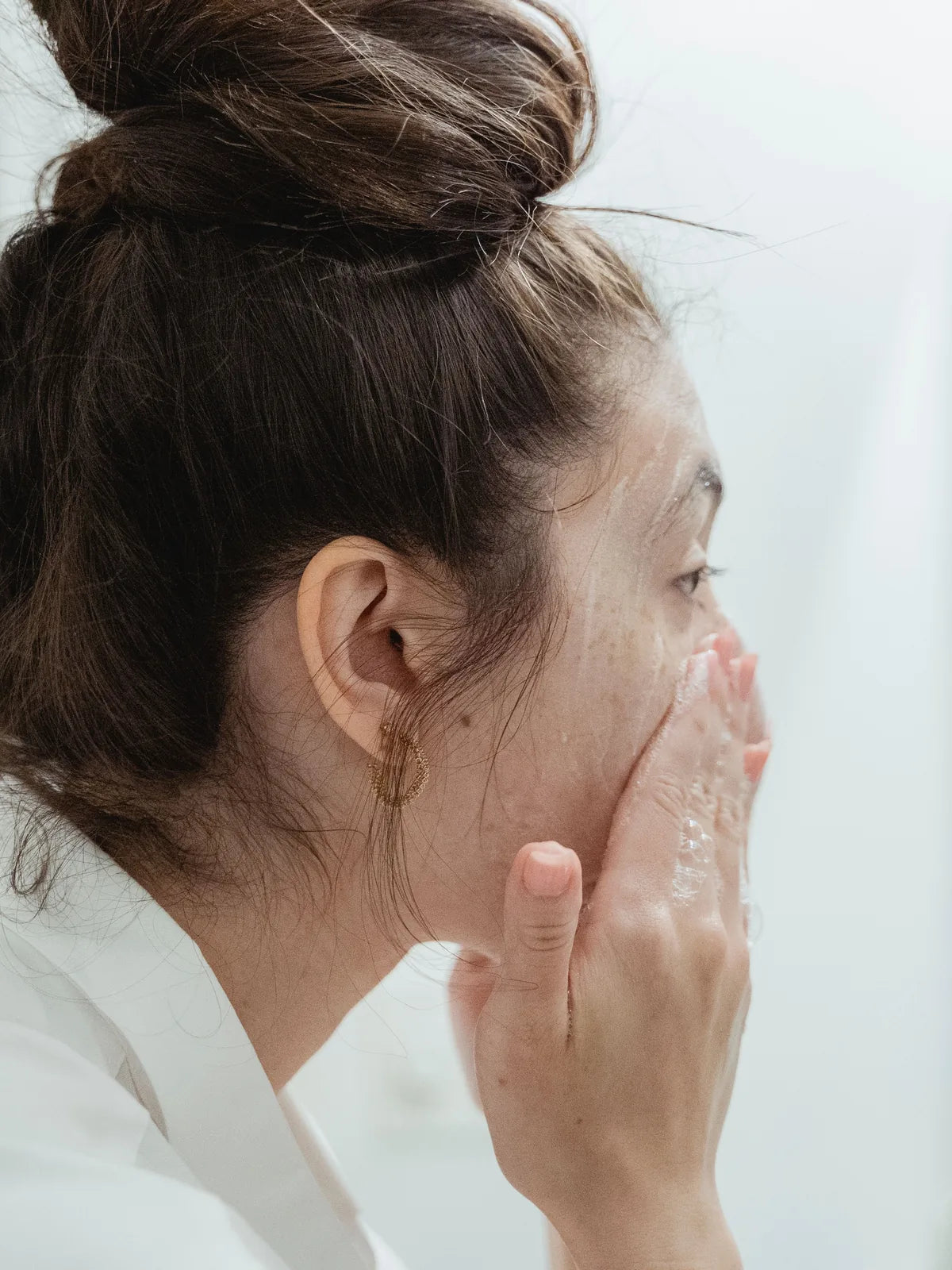
Step 1: cleanse without stripping
Use lukewarm rather than hot water. Cleanse gently with fingertips and avoid brushes, cleansing pads, and scrubs. In the morning, a water rinse may be enough for some people. In the evening, remove makeup and sunscreen without repeatedly washing until the face feels squeaky.
COSRX Low pH Good Morning Gel Cleanser is currently available and is positioned as a low-pH gel cleanser. Its product information also lists tea tree oil and natural BHA, so it may not be the best recovery cleanser for everyone. If it stings or leaves the face tight, stop it and use a cleanser you already know is comfortable.
Step 2: choose the right moisturizer texture
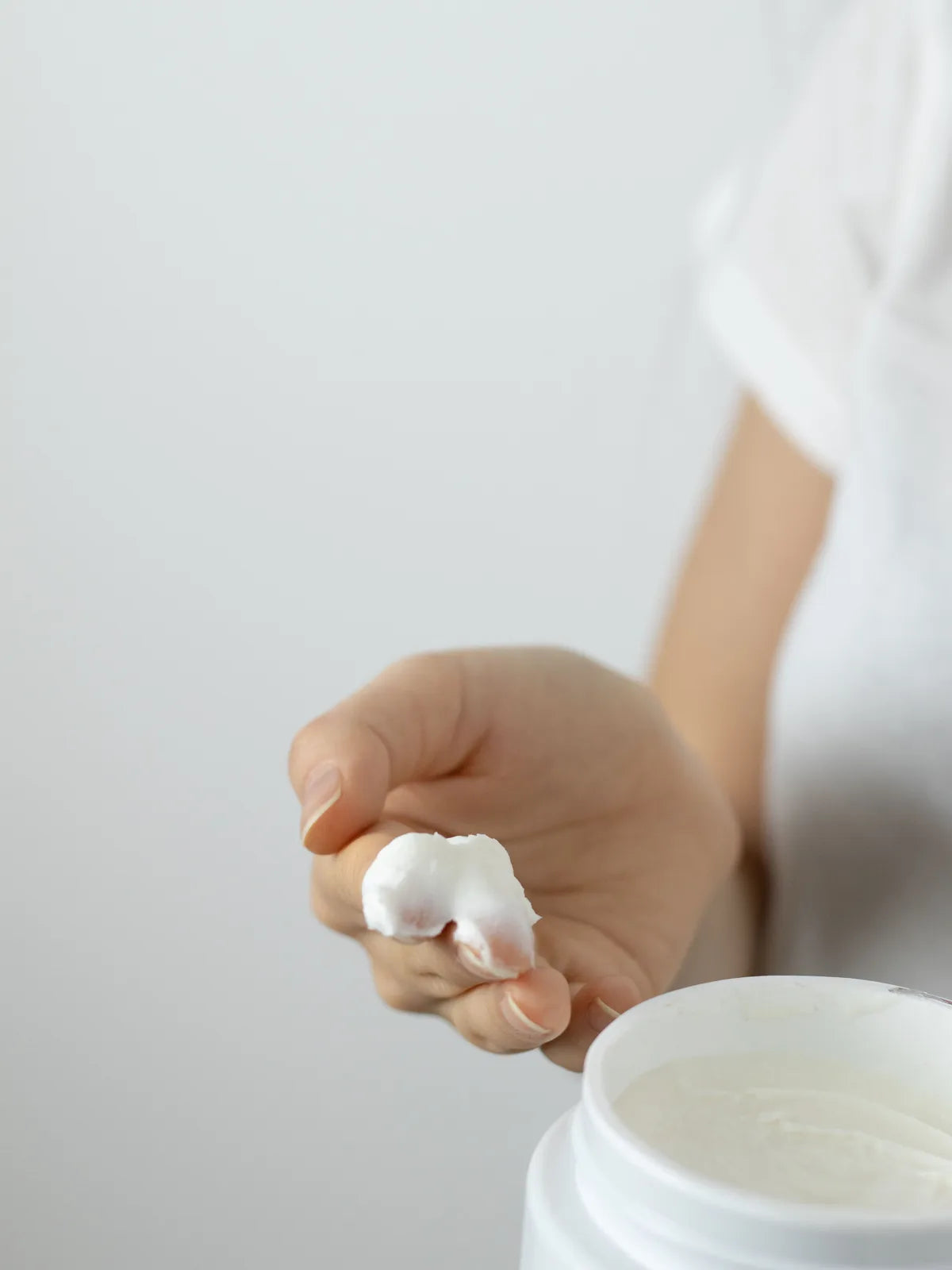
Moisturizers can combine humectants, emollients, and occlusives. Humectants such as glycerin and hyaluronic acid attract water. Emollients soften rough areas and fill surface gaps. Occlusive ingredients reduce evaporation. Ceramides are lipids naturally found in the stratum corneum and can be part of a barrier-supporting formula.
Randomized studies have found improvements in hydration and TEWL with certain ceramide-containing formulas, including studies in dry skin and eczema. Those findings apply to the tested products and populations. They do not prove that every ceramide cream treats eczema, and several studies have manufacturer involvement. For diagnosed eczema, follow a dermatologist's treatment plan.
Dr. Althea 147 Barrier Cream
Best fit: dry skin or someone seeking a richer final moisturizing step. Jamila's current product information lists a seven-type hyaluronic acid complex and positions the cream for lasting hydration and nourishment. Apply an adequate amount as the final or semi-final step.
Dr. Althea 345 Relief Cream
Best fit: someone who prefers a lighter gel-cream texture, including acne-prone skin seeking a non-comedogenic-tested option. Current product information lists ceramide NP and niacinamide. Patch test because “sensitive-skin tested” cannot guarantee individual tolerance.
medicube Hyaluronic Moisturizing Capsule Cream
Best fit: someone seeking a hydrating cream with a dewy finish. Jamila's current information lists hyaluronic acid, ceramides, panthenol, betaine, and allantoin. Choose it for texture and comfort, not the advertised duration alone.
Step 3: protect the skin every morning
UV exposure can worsen redness, uneven tone, and discomfort. Apply broad-spectrum sunscreen as the final skincare step and reapply according to the label. Shade and protective clothing remain useful, especially while the skin is reactive.
Anua Heartleaf Silky Moisture Mild Sunscreen is currently available and its product information lists SPF 50+ PA++++, panthenol, and several forms of hyaluronic acid. It uses organic filters. If a sunscreen stings compromised skin, stop and choose another properly labeled option that you can apply comfortably.
What should you pause?
- Retinol, retinal, prescription retinoids unless your prescriber advises otherwise.
- AHA, BHA, PHA, peeling solutions, and exfoliating pads.
- Spicule products such as Reedle Shot.
- Scrubs, cleansing brushes, facial razors, and home needling devices.
- New vitamin C, brightening, acne, or anti-aging treatments.
- Fragranced masks or essential oils if they appear to trigger discomfort.
Do not stop a prescribed medicine without speaking with the clinician who prescribed it. They can adjust frequency, formula, or supportive care safely.
When can you restart active ingredients?
Wait until cleansing and plain moisturizer feel comfortable, flaking and visible redness have settled, and the skin has stayed calm for several days. Then introduce one product at a time at the lowest label frequency. Keep everything else unchanged long enough to identify a reaction.
Start with the product most connected to your main goal. If you use vitamin A, follow our retinol versus retinal guide. If you are returning to spicules, read the VT Reedle Shot 50, 100, and 300 guide and begin at the mildest appropriate level.
How long does barrier recovery take?
There is no reliable universal countdown. Mild irritation may settle after removing the trigger and simplifying the routine, while persistent dermatitis or a medical condition can require diagnosis and treatment. Product studies commonly measure changes over weeks, but their timelines cannot predict your individual recovery.
Track comfort rather than chasing a date. Take photos in the same light every few days and note whether water, cleanser, and moisturizer sting. If symptoms worsen or fail to improve, do not keep buying more barrier products; seek professional assessment.
When to see a dermatologist
Arrange medical care for intense pain, swelling, blistering, oozing, crusting, signs of infection, eye involvement, widespread rash, or breathing difficulty. Seek advice for repeated reactions, severe acne, suspected allergy, eczema or rosacea symptoms, or irritation caused by a prescribed treatment.
Build a simpler routine with Jamila
Browse the Dryness collection for moisturizer options, the Sensitive Skin collection for a cautious shortlist, or all skincare. The Beauty Quiz can help identify a basic routine, but persistent symptoms still need a professional diagnosis.
For daily protection, continue with our Korean sunscreen guide. If your concern is uneven tone after irritation has settled, read how to fade post-acne marks safely.
Sources and image credits
- American Academy of Dermatology: dry skin diagnosis and treatment
- Randomized study of a ceramide-containing moisturizer in xerosis
- Randomized study of a ceramide-dominant cream and cleanser in adults with eczema
- Randomized study of glycerol and petrolatum effects in an emollient
- Pexels License; photographs by Greta Hoffman, Miriam Alonso, and Mike Murray.
Last reviewed: September 2026. This article is educational and does not replace medical advice.


